

boeken. gelezen. goedgekeurd.
La Tapisserie en Belgique / De Wandtapijtkunst in België / Tapestries in Belgium
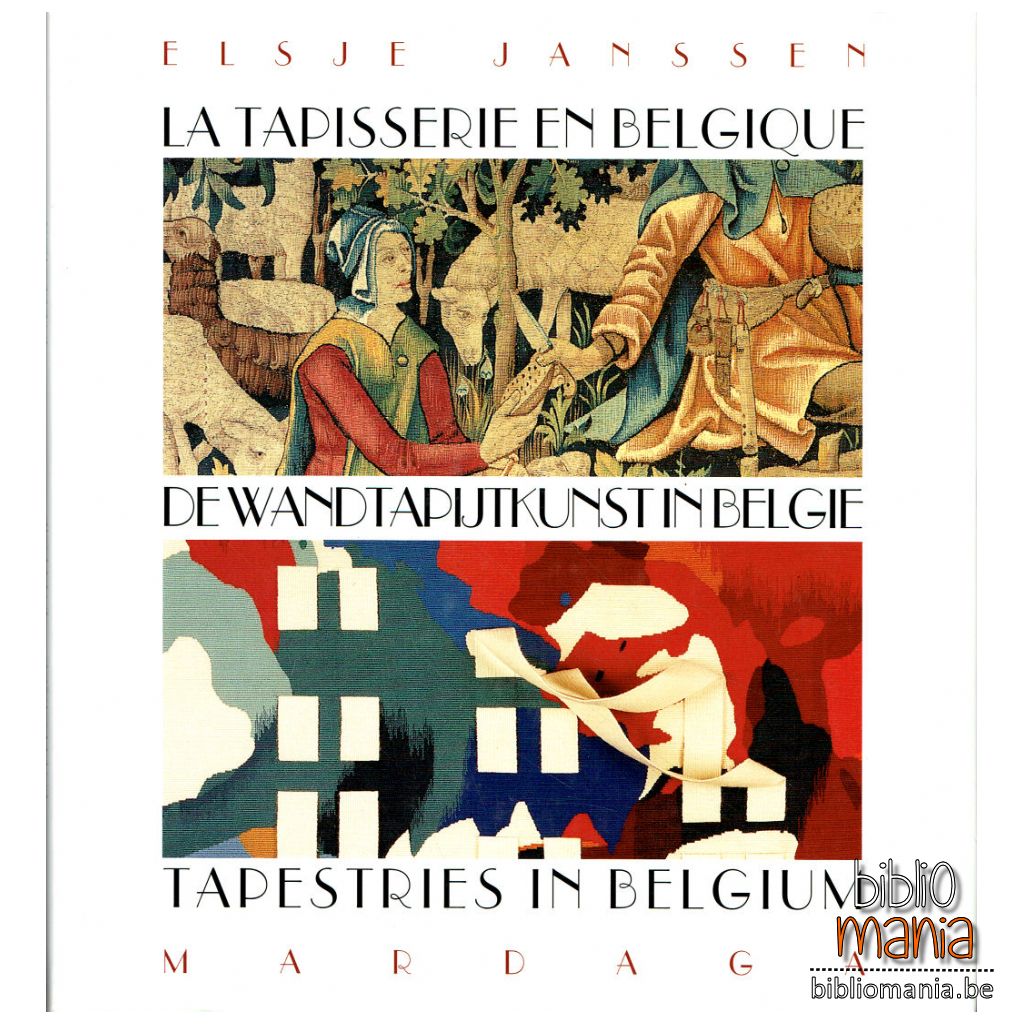

Gebonden / 144 bladzijden / uitgave 1996
taal (talen) : frans, nederlands, engels
uitgever : Pierre Mardaga
ISBN : 2870095554
EAN : 9782870095553
afmetingen : 268 (h) x 245 (b) x 16 (dk) mm
gewicht : 945 gram
Dit boek is
momenteel niet
beschikbaar bij
Bibliomania
momenteel niet
beschikbaar bij
Bibliomania
La technique du tissage, le travail des cartonniers et leurs commanditaires, le commerce et la diffusion dans toute l'Europe, ainsi que les caractéristiques et l'usage des tapisseries sont autant de sujets abordés.
Des exemples concrets illustrent l'évolution générale de la tapisserie à partir du XVe siècle, tandis que les divers centres de production, tels que Tournai, Bruxelles, Bruges, Audenaerde, Enghien et Anvers, sont également évoqués.
Le renouveau qui se marque au XIXe siècle est examiné pour aboutir à la renaissance de la tapisserie après la Seconde Guerre mondiale.
Près de la moitié des illustrations se rapportent au XXe siècle et aux tapisseries contemporaines, ce qui souligne l'intérêt dont cette discipline artistique jouit actuellement.
Enfin, les problèmes de conservation et d'entretien des tapisseries anciennes sont brièvement mentionnés.
De weeftechniek, de kartonontwerpers, de handel en de verspreiding over Europa, evenals de typische kenmerken en het gebruik van de wandtapijten worden besproken.
Aan de hand van prachtige voorbeelden wordt de evolutie vanaf de 15de eeuw geschetst.
De verschillende weefcentra, zoals Doornik, Brussel, Oudenaarde, Edingen en Antwerpen worden belicht.
Er wordt stilgestaan bij de nieuwe start in de 19de eeuw om tenslotte de heropleving van de wandtapijtkunst na de tweede wereldoorlog te behandelen.
Bijna de helft van de afbeeldingen tonen 20ste eeuwse en hedendaagse wandtapijten, zodat ook het huidige belang van deze kunsttak duidelijk tot uiting Komt.
Tenslotte wordt kort aandacht besteed aan de conservatie en het onderhoud van antieke wandtapijten.
The weaving technique, the work of cartoon designers and their patrons, the trade ana circulation of tapestries throughout Europe, their characteristics and usage, are all among the subjects discussed in this book. Concrete examples illustrate the general trends in the evolution of the art of tapestry making, from the fifteenth century onwards, and the major production centres along the centuries, like Tournai, Brussels, Bruges, Oudenaarde and Antwerp, are examined.
The overview goes along with the renewal of the art of tapestry in the nineteenth century and its actual renaissance after World War II. Almost half of the illustrations refer to the twentieth century and the contemporary works of art. This shows, if need be, the interest that the discipline still generates today. Eventually questions of preservation and maintenance of old tapestries are briefly evoked.
Des exemples concrets illustrent l'évolution générale de la tapisserie à partir du XVe siècle, tandis que les divers centres de production, tels que Tournai, Bruxelles, Bruges, Audenaerde, Enghien et Anvers, sont également évoqués.
Le renouveau qui se marque au XIXe siècle est examiné pour aboutir à la renaissance de la tapisserie après la Seconde Guerre mondiale.
Près de la moitié des illustrations se rapportent au XXe siècle et aux tapisseries contemporaines, ce qui souligne l'intérêt dont cette discipline artistique jouit actuellement.
Enfin, les problèmes de conservation et d'entretien des tapisseries anciennes sont brièvement mentionnés.
De weeftechniek, de kartonontwerpers, de handel en de verspreiding over Europa, evenals de typische kenmerken en het gebruik van de wandtapijten worden besproken.
Aan de hand van prachtige voorbeelden wordt de evolutie vanaf de 15de eeuw geschetst.
De verschillende weefcentra, zoals Doornik, Brussel, Oudenaarde, Edingen en Antwerpen worden belicht.
Er wordt stilgestaan bij de nieuwe start in de 19de eeuw om tenslotte de heropleving van de wandtapijtkunst na de tweede wereldoorlog te behandelen.
Bijna de helft van de afbeeldingen tonen 20ste eeuwse en hedendaagse wandtapijten, zodat ook het huidige belang van deze kunsttak duidelijk tot uiting Komt.
Tenslotte wordt kort aandacht besteed aan de conservatie en het onderhoud van antieke wandtapijten.
The weaving technique, the work of cartoon designers and their patrons, the trade ana circulation of tapestries throughout Europe, their characteristics and usage, are all among the subjects discussed in this book. Concrete examples illustrate the general trends in the evolution of the art of tapestry making, from the fifteenth century onwards, and the major production centres along the centuries, like Tournai, Brussels, Bruges, Oudenaarde and Antwerp, are examined.
The overview goes along with the renewal of the art of tapestry in the nineteenth century and its actual renaissance after World War II. Almost half of the illustrations refer to the twentieth century and the contemporary works of art. This shows, if need be, the interest that the discipline still generates today. Eventually questions of preservation and maintenance of old tapestries are briefly evoked.

gelijkaardige artikelen zoeken per categorie
gelijkaardige artikelen zoeken per onderwerp: